
Blog
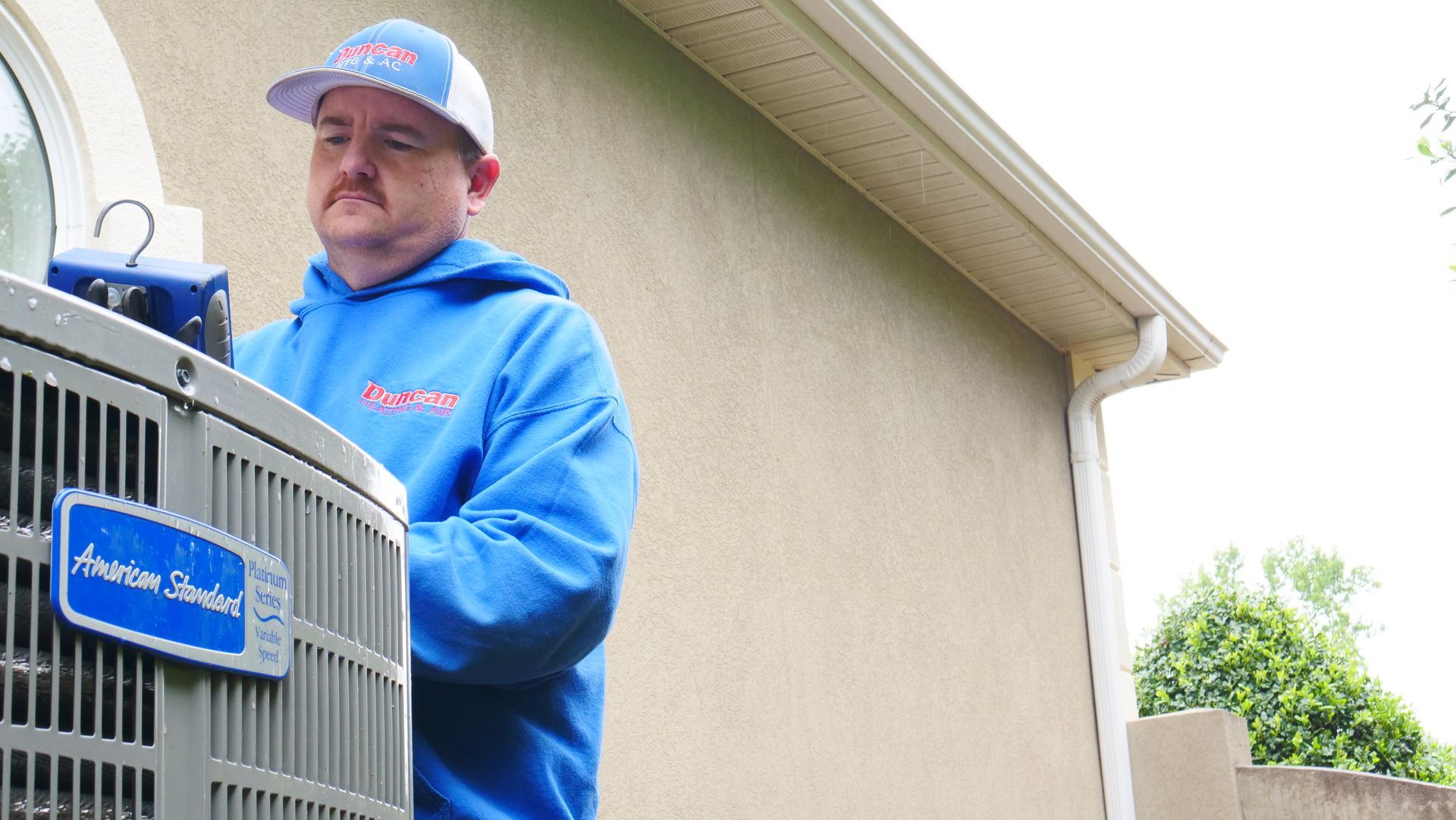
Late summer in Statesville, NC, can bring a little bit of everything—hot afternoons, high humidity, heavy rain, thunderstorms, and the occasional power outage. While most homeowners know to head indoors when a storm rolls through, you may not think about what that weather can mean for your heating and cooling system. Your HVAC equipment relies on sensitive electrical components, and sudden power interruptions or surges can sometimes cause problems that aren't immediately obvious. Knowing what to watch for after a storm can help you protect your system and avoid being left without air conditioning while the late-summer heat is still hanging around. How Storms Can Affect Your HVAC System Thunderstorms can cause power fluctuations before, during, and after an outage. When electricity suddenly cuts off or comes back on, components inside your HVAC system may be affected. Potential problems can include: Tripped breakers Blown fuses Thermostat issues Damage to capacitors or electrical components Problems with the compressor A system that won't restart after power is restored Sometimes the issue is as simple as a tripped breaker. Other times, your system may appear to be working but begin making unusual noises, cycling differently, or struggling to cool your home. What Should You Do If the Power Goes Out? If your home loses power during a storm, don't panic if your air conditioner doesn't immediately start running again when the electricity returns. Many HVAC systems have built-in delays that prevent the equipment from restarting immediately. This helps protect the compressor from sudden electrical changes. Give the system a few minutes before assuming something is wrong. If your thermostat has lost its settings during the outage, check that it is back in cooling mode and set to your preferred temperature. Check Your Breaker—But Don't Keep Resetting It After a storm, you can check your electrical panel to see whether the breaker controlling your HVAC system has tripped. If it has, you may be able to reset it once. However, if the breaker trips again, don't continue resetting it. A breaker that repeatedly trips can indicate an electrical or HVAC problem that should be inspected by a professional. Repeatedly trying to force the system back on could potentially make the problem worse. Pay Attention to Your Outdoor Unit Late-summer storms can also affect your outdoor equipment without causing an electrical problem. Strong wind and heavy rain can blow leaves, sticks, grass clippings, and other debris around the condenser. After the storm passes and it is safe to go outside, take a quick look around your outdoor unit. Make sure there isn't any obvious debris blocking airflow around the equipment. You should also look for visible damage from fallen limbs or other storm debris. If the unit appears damaged, avoid trying to repair or move anything yourself. Give Duncan Heating & Air Conditioning a call so we can take a closer look. Signs Your AC May Need Attention After a Storm Your air conditioner may restart normally after a storm, but it's worth paying attention to how it operates over the next several hours. Call an HVAC professional if you notice: The AC won't turn back on Warm air is coming from your vents The outdoor unit isn't running The system repeatedly turns on and off Your breaker continues to trip You hear buzzing, clicking, or other unusual noises The thermostat isn't responding Your home isn't reaching the temperature set on the thermostat These symptoms don't necessarily mean you have a major repair on your hands, but they're worth checking before a small issue turns into a larger one. Can You Protect Your HVAC System From Power Surges? Homeowners often use surge protectors for televisions, computers, and other electronics, but your HVAC system contains expensive electrical components, too. An HVAC technician can discuss surge protection options designed for heating and cooling equipment. Depending on your home and system, additional protection may help reduce the risk of electrical damage caused by power fluctuations. It's an especially worthwhile conversation if your neighborhood experiences frequent storms or power outages. Don't Forget: Cooling Season Isn't Over Yet The calendar may be getting closer to fall, but anyone who has lived in North Carolina knows that doesn't necessarily mean cool weather is here. Statesville can continue experiencing warm, humid days well into September, which means your air conditioner still has plenty of work ahead of it. A storm-related problem that seems minor now can quickly become uncomfortable when another hot afternoon arrives. If something doesn't seem right with your system after a storm, it's better to have it checked rather than waiting for it to stop working completely. Stay Comfortable Through the End of Summer With Duncan Heating & Air Conditioning Since 1931, Duncan Heating & Air Conditioning has helped homeowners throughout Statesville and the surrounding communities stay comfortable through North Carolina's unpredictable weather. If your air conditioner isn't working properly after a storm, won't restart after a power outage, or simply doesn't seem to be cooling like it should, our experienced team is ready to help. Contact Duncan Heating & Air Conditioning today at 704-872-2431 to schedule HVAC service and keep your home comfortable through the rest of the summer and into fall.
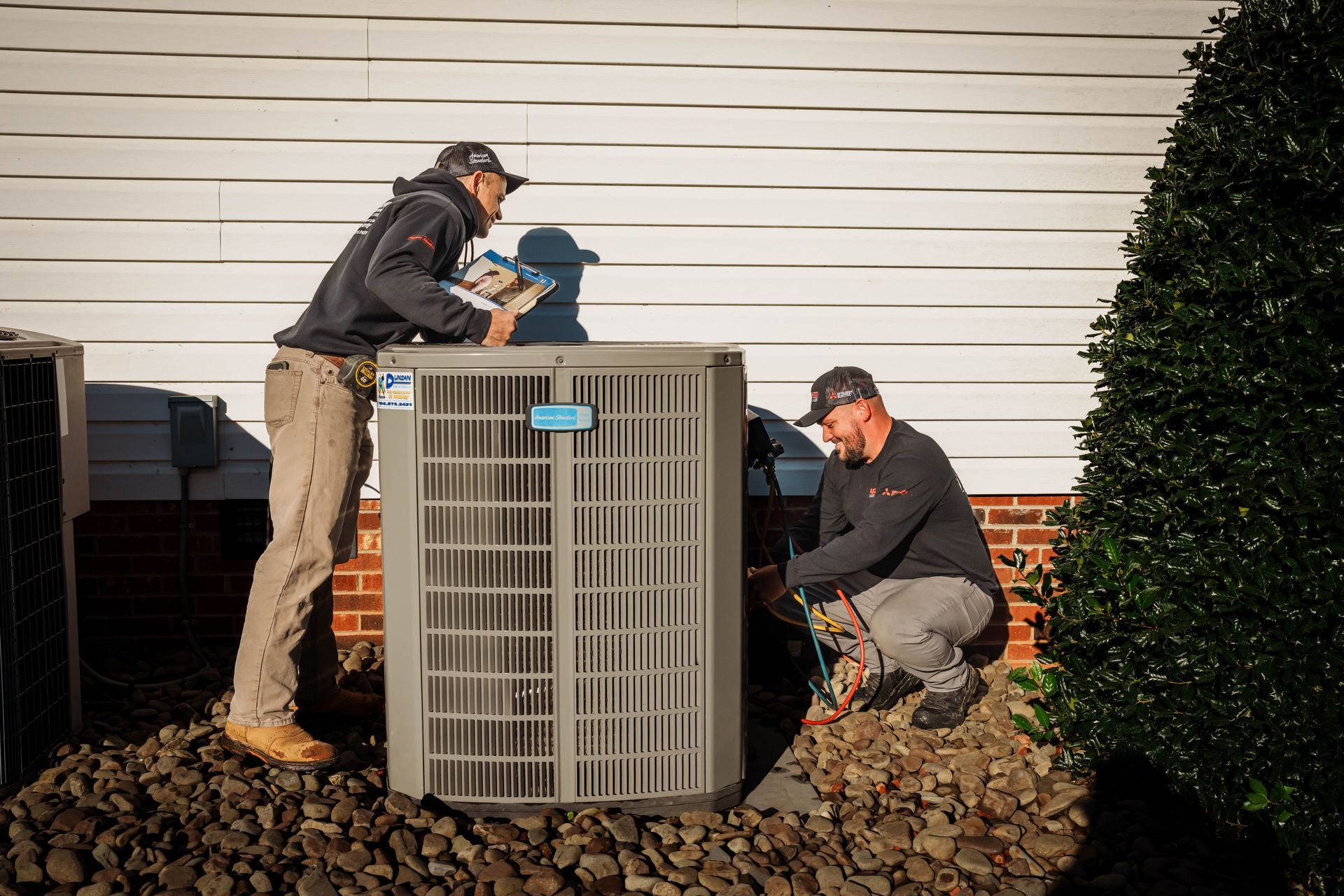
If you've noticed your air conditioner running almost nonstop during the hottest afternoons in Statesville this summer, you're not alone. Many homeowners assume a system that runs for long periods is struggling or about to break down. In reality, longer cooling cycles are often a sign that your HVAC system is doing exactly what it was designed to do. Understanding how your air conditioner operates during extreme summer weather can help you recognize the difference between normal operation and a problem that requires professional attention. Your AC Is Designed to Keep Up—Not Cool Instantly When outdoor temperatures climb into the 90s with North Carolina's signature humidity, your air conditioner has a much bigger job than it does during mild weather. Instead of cooling your home quickly and shutting off, your system may run for extended periods to maintain your desired indoor temperature. This steady operation helps remove heat and humidity more effectively while keeping your home consistently comfortable. Longer Run Times Help Control Humidity One of the biggest benefits of longer cooling cycles is improved humidity removal. Air conditioners don't just cool the air—they also pull excess moisture from it. When the system runs for longer periods, it has more time to reduce indoor humidity, making your home feel cooler and more comfortable without lowering the thermostat. If your home feels cool but still sticky or damp, however, your system may not be operating as efficiently as it should. What Is Considered Normal? On exceptionally hot summer days, it's completely normal for an air conditioner to run much of the afternoon. Your system may: Run for 20–30 minutes or longer per cycle. Operate nearly continuously during peak afternoon heat. Cycle off more frequently after sunset as outdoor temperatures begin to fall. This doesn't necessarily mean anything is wrong. When Longer Run Times Could Signal a Problem While extended operation is often normal, there are times when it may indicate your HVAC system needs professional attention. Watch for signs such as: The thermostat never reaches the set temperature. Warm air blowing from the vents. Weak airflow throughout the home. Ice forming on the indoor or outdoor unit. Unusual noises or vibrations. A sudden increase in your electric bill without increased usage. These symptoms may point to issues like low refrigerant, dirty coils, airflow restrictions, or worn components that should be inspected by a qualified HVAC technician. Simple Ways to Help Your AC Perform Better You can help your system work more efficiently during the remainder of the summer by following a few simple practices: Replace Your Air Filter A dirty air filter restricts airflow and forces your system to work harder. Check your filter monthly and replace it as needed. Keep Vents Open Avoid closing supply vents in unused rooms. Modern HVAC systems are designed to distribute air throughout the entire home, and closed vents can reduce efficiency. Give Your Outdoor Unit Room to Breathe Keep grass clippings, weeds, leaves, and other debris at least two feet away from your outdoor condenser to maintain proper airflow. Avoid Constant Thermostat Changes Frequently adjusting the thermostat doesn't cool your home faster. Setting a consistent temperature allows your system to operate more efficiently. Schedule Maintenance Before the End of Cooling Season Late summer is an excellent time to have your air conditioning system inspected. A professional maintenance visit can identify worn components, clean critical parts, verify refrigerant levels, and ensure your system is ready to continue performing through the remainder of the cooling season. Catching small issues now can help prevent unexpected breakdowns during the hottest days and prepare your equipment for the seasonal transition ahead. Trust Duncan Heating & Air Conditioning for Reliable Cooling Since 1931, Duncan Heating & Air Conditioning has helped homeowners throughout Statesville and the surrounding communities stay comfortable through every North Carolina season. Whether your air conditioner is running longer than usual, struggling to keep up, or simply due for maintenance, our experienced technicians are here to help. Contact Duncan Heating & Air Conditioning today to schedule your air conditioning service and enjoy dependable comfort for the rest of the summer.
As temperatures rise across Statesville and the surrounding area, many homeowners start noticing a frustrating problem: the upstairs of the house feels significantly warmer than the downstairs. If you're constantly adjusting the thermostat, running ceiling fans, or avoiding certain rooms during the afternoon, you're not alone. Uneven temperatures are one of the most common comfort complaints we hear during the summer months. The good news? In many cases, the problem can be improved without replacing your entire HVAC system. Why Upstairs Rooms Feel Hotter in the Summer Heat naturally rises. Throughout the day, your roof and attic absorb heat from the sun, which can increase temperatures in the upper portions of your home. At the same time, cool air from your HVAC system naturally settles toward lower levels. This combination often creates a noticeable temperature difference between floors. While a few degrees of variation is normal, larger temperature swings may indicate an issue that should be addressed. Common Causes of Uneven Cooling Several factors can contribute to an uncomfortable second floor. Insufficient Attic Insulation Your attic acts as a barrier between your home and the summer heat. If insulation levels are inadequate, heat can transfer into living spaces more easily, making upstairs rooms harder to cool. Airflow Imbalances Your HVAC system relies on proper airflow to distribute conditioned air evenly throughout the home. If certain rooms receive less airflow than others, hot spots can develop. Ductwork Issues Leaky, damaged, or poorly designed ductwork can reduce the amount of cool air reaching upstairs rooms. Even small duct leaks can have a noticeable impact on comfort during peak summer temperatures. Aging HVAC Equipment As systems age, they may struggle to keep up with cooling demands, especially in larger homes or multi-story layouts. Thermostat Location Many thermostats are installed on the first floor. Once the downstairs reaches the desired temperature, the system shuts off—even if the upstairs still feels warm. What Homeowners Can Do Right Now If you're dealing with uneven temperatures, a few simple adjustments may help. Keep Interior Doors Open Allowing air to circulate freely between rooms can help balance temperatures throughout the home. Use Ceiling Fans Correctly During the summer, ceiling fans should rotate counterclockwise to create a cooling breeze and improve air circulation. Replace Dirty Air Filters Restricted airflow caused by a clogged filter can worsen comfort issues throughout the home. Check Vents and Registers Make sure furniture, rugs, and curtains are not blocking airflow from supply vents. When It's Time to Call a Professional If temperature differences between floors are becoming a daily frustration, it may be time for a professional evaluation. An HVAC technician can inspect your system and identify issues such as: Airflow restrictions Duct leakage Improper system sizing Insulation deficiencies Thermostat placement concerns Opportunities for zoning solutions Addressing the root cause can often improve comfort while helping your system operate more efficiently. Stay Comfortable on Every Floor This Summer You shouldn't have to choose between a comfortable downstairs and a comfortable upstairs. If certain rooms in your Statesville home never seem to cool properly, Duncan Heating & Air can help identify the cause and recommend solutions tailored to your home's layout and cooling needs. Contact Duncan Heating & Air today to schedule an evaluation and enjoy more consistent comfort throughout your home this summer. Check out air conditioning service page to learn more about how we can keep you Statesville, NC home comfortable all summer long.
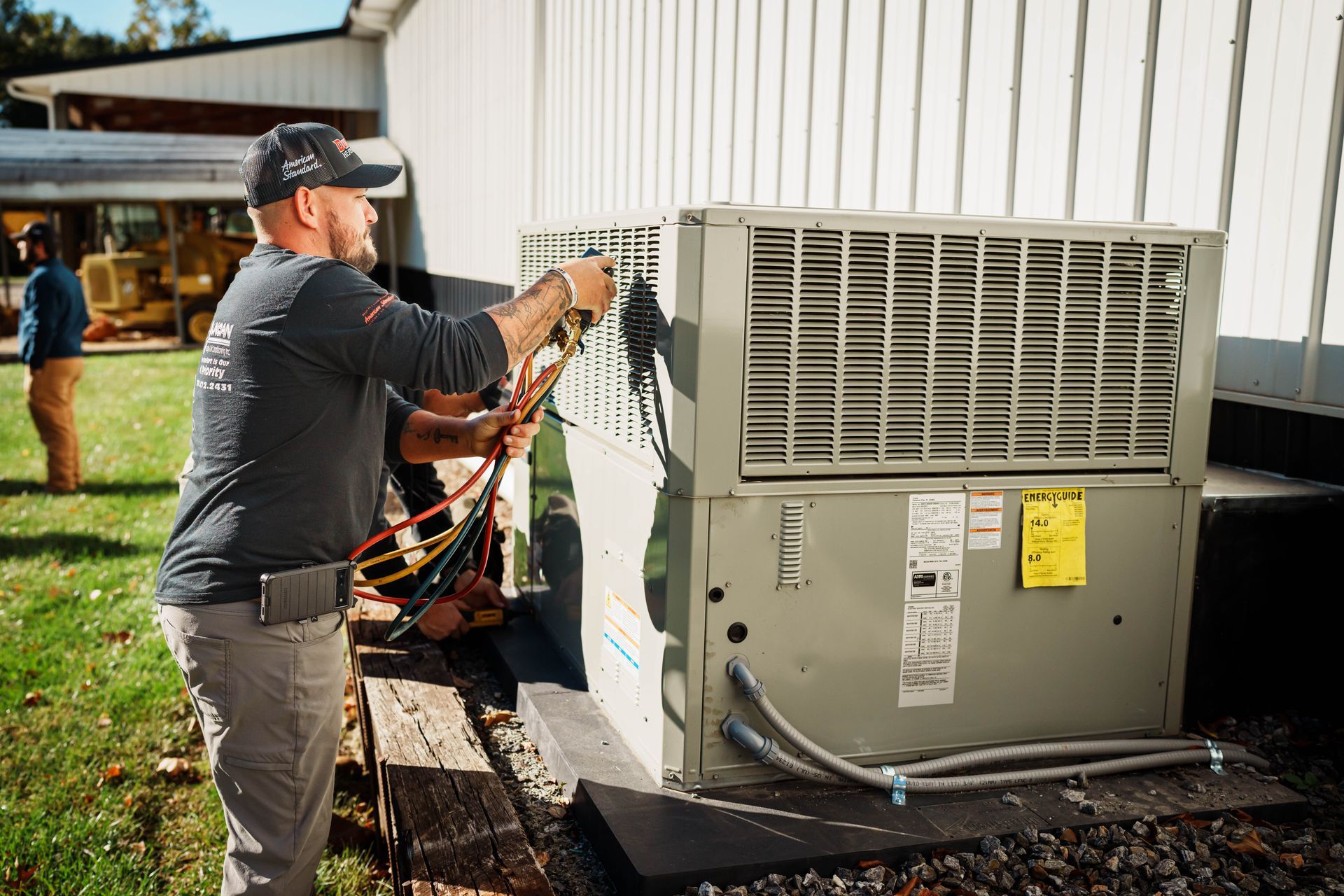
As we move from spring into summer here in Statesville, many homeowners are enjoying warm afternoons, longer days, and more time outdoors. But while the season change may feel gradual, North Carolina's first real heat wave can arrive quickly—and when it does, your air conditioning system needs to be ready. At Duncan Heating & Air Conditioning, we often see a spike in emergency service calls during the first stretch of consistently hot weather. The reason? Many HVAC systems have been sitting mostly idle or running only occasionally throughout the spring. When temperatures suddenly climb into the 80s and beyond, hidden issues can quickly turn into uncomfortable breakdowns. Why the First Heat Wave Is So Hard on HVAC Systems During mild spring weather, your air conditioner may only run for short periods each day. Once summer heat arrives, your system has to work much harder and much longer to keep your home comfortable. If your equipment has a worn component, low refrigerant, a dirty filter, or restricted airflow, those issues may not become obvious until the system is under heavy demand. Unfortunately, that often happens on the hottest days of the year—when HVAC companies are busiest and homeowners need cooling the most. Warning Signs Your AC May Not Be Ready Before temperatures really start climbing, pay attention to these common warning signs: Rooms that feel warmer than others Weak airflow from vents Unusual noises when the system starts or stops Higher-than-normal energy bills Excess humidity inside your home Frequent cycling on and off Difficulty reaching your thermostat setting Even minor symptoms can indicate a problem that may worsen during hotter weather. Don't Forget About Humidity Many homeowners focus only on temperature, but humidity plays a major role in indoor comfort during North Carolina summers. An air conditioner doesn't just cool your home—it also removes moisture from the air. If your system isn't operating efficiently, your home may feel sticky or uncomfortable even when the thermostat says the temperature is correct. Proper airflow, clean coils, and routine maintenance all help your system manage humidity more effectively. Simple Steps Homeowners Can Take Today Preparing for summer doesn't have to be complicated. A few simple tasks can help improve comfort and efficiency: Replace Your Air Filter A dirty filter restricts airflow and forces your system to work harder. Most filters should be checked monthly and replaced as needed. Clear Around Your Outdoor Unit Remove leaves, weeds, grass clippings, and debris from around your condenser. Good airflow helps your system operate efficiently. Test Your Thermostat Make sure your thermostat is programmed correctly and responding properly before summer temperatures arrive. Check Air Vents Ensure furniture, rugs, and curtains aren't blocking supply or return vents throughout your home. Schedule Preventive Maintenance A professional inspection can identify small issues before they become major repairs during peak cooling season. Why Preventive Maintenance Pays Off Many HVAC breakdowns don't happen because equipment suddenly fails—they happen because small problems go unnoticed for months. A seasonal tune-up allows technicians to inspect electrical components, verify refrigerant levels, clean critical parts, test system performance, and identify wear before it leads to a costly repair. The result is often improved efficiency, lower energy costs, fewer breakdowns, and greater peace of mind throughout the summer. Stay Ahead of Summer Comfort Problems The first heat wave of the season has a way of exposing HVAC problems that have been quietly developing all spring. Taking a proactive approach now can help you avoid uncomfortable surprises when temperatures rise. At Duncan Heating & Air Conditioning, we've proudly helped Statesville homeowners stay comfortable through North Carolina's changing seasons since 1931. Whether you need preventive maintenance, a repair, or expert advice about your system's performance, our experienced team is here to help. Contact Duncan Heating & Air Conditioning today to schedule your seasonal AC inspection and make sure your home is ready for whatever summer brings.
If you live in a two-story home around Statesville, NC, you may have already noticed it this spring — the upstairs starts feeling warmer than the rest of the house long before summer officially arrives. Many homeowners assume this only happens during the hottest months of the year, but spring temperature swings in North Carolina often make uneven temperatures inside the home more noticeable. Cool mornings followed by warm afternoons can cause your HVAC system to struggle to keep every room comfortable evenly. At Duncan Heating & Air Conditioning, we help homeowners solve comfort issues like this every spring. Here’s why it happens and what you can do about it before summer heat arrives. Why Upstairs Rooms Heat Up Faster Heat naturally rises, which means second floors almost always stay warmer than downstairs areas. During spring, longer daylight hours and warmer afternoon temperatures increase the heat load on upper floors even more. Several factors can make the problem worse, including: Sunlight hitting upstairs windows during the afternoon Poor attic insulation Airflow restrictions Dirty air filters Leaky ductwork Older HVAC systems struggling to keep up Thermostats located downstairs only Spring weather in North Carolina can create large temperature swings in a single day, forcing your HVAC system to constantly adjust between heating during cool mornings and cooling during warmer afternoons. Signs Your HVAC System May Be Struggling A slight temperature difference between floors is normal, but larger differences may point to an airflow or system issue. Some common signs include: Upstairs bedrooms feeling stuffy Hot spots in certain rooms Constant thermostat adjustments Weak airflow from vents upstairs Rising energy bills HVAC system running longer than usual If you’re lowering the thermostat repeatedly just to cool the upstairs, your system may be working harder than necessary. Small Changes That Can Make a Big Difference The good news is that many comfort issues can be improved without replacing your HVAC system entirely. Use Ceiling Fans Correctly During spring and summer, ceiling fans should rotate counterclockwise to push cooler air downward and improve circulation. Keep Upstairs Blinds Closed During Peak Sunlight Blocking direct sunlight in the afternoon can significantly reduce heat buildup upstairs. Check Your Air Filter A dirty air filter can reduce airflow throughout the home and make upstairs rooms harder to cool evenly. Make Sure Vents Are Open and Unblocked Furniture, rugs, or curtains covering vents can limit airflow to certain rooms. Consider a Zoned HVAC System For homes with persistent temperature differences, zoning systems allow separate temperature control between floors for improved comfort and efficiency. Don’t Ignore Uneven Temperatures Many homeowners tolerate uneven temperatures for years without realizing the issue may be fixable. In some cases, airflow adjustments, duct sealing, or system upgrades can dramatically improve comfort throughout the home. Spring is one of the best times to address these issues before North Carolina’s summer heat and humidity arrive. At Duncan Heating & Air Conditioning, we’ve helped homeowners throughout Statesville and the surrounding areas stay comfortable for decades. Whether you need an HVAC inspection, airflow evaluation, or system upgrade recommendations, our team is here to help. Call Duncan Heating & Air Conditioning today to schedule service and enjoy more consistent comfort in every room of your home this spring and summer.
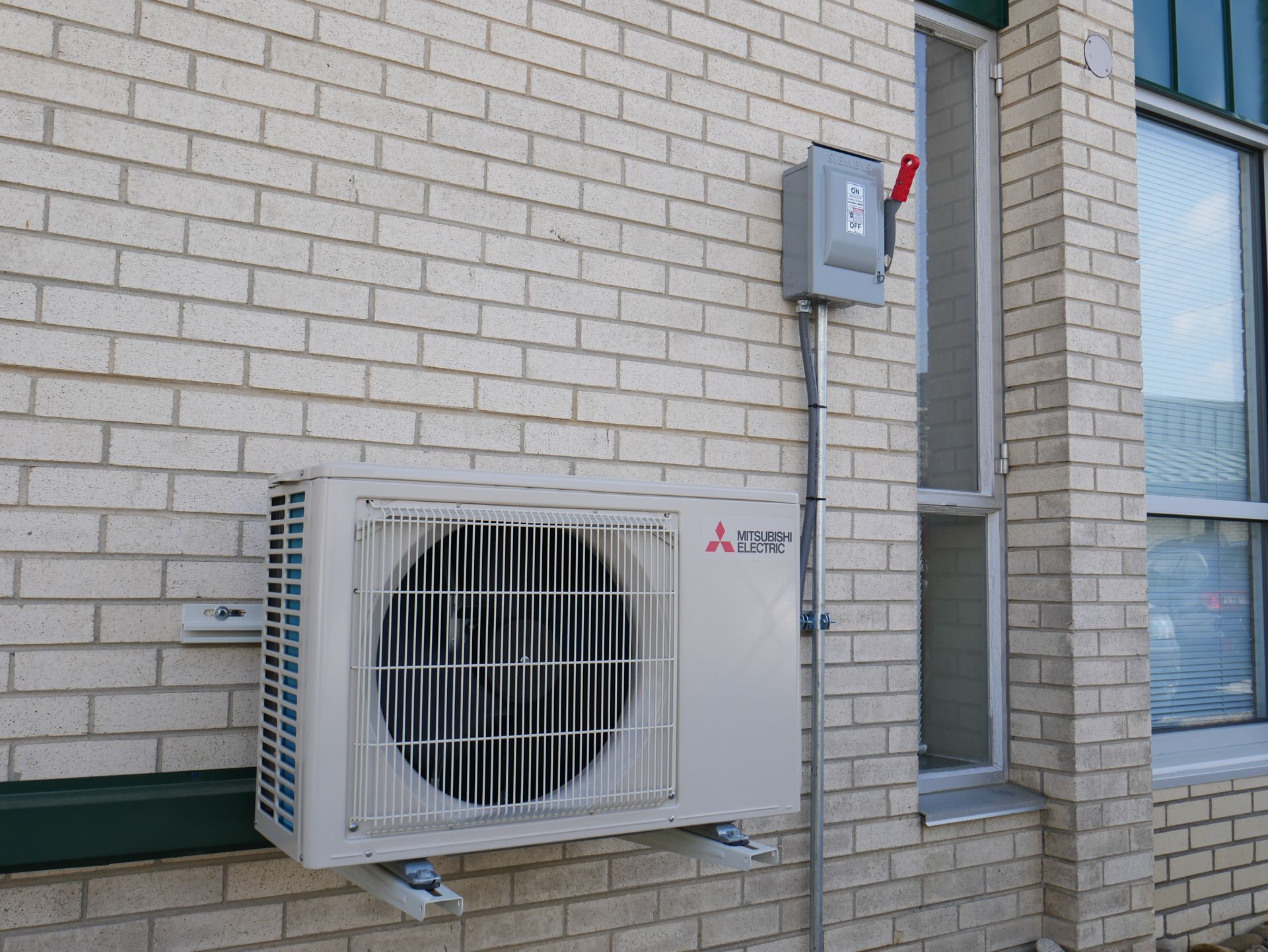
If you’ve lived in Statesville, NC for long, you know spring weather can be unpredictable. One day might feel like winter, while the next afternoon feels like summer. These rapid temperature changes are common across Iredell County—and they can put extra strain on your HVAC system if it’s not operating efficiently. At Duncan Heating & Air Conditioning, we help homeowners stay comfortable through every season. Understanding how spring’s temperature swings affect your heating and cooling system can help you reduce wear and tear, improve efficiency, and keep energy bills under control. Why Spring Weather Is Tough on HVAC Systems Unlike winter or summer—when your system primarily runs in one mode—spring often requires frequent switching between heating and cooling. Your system may: Turn on and off more frequently Alternate between heat and air conditioning Work harder to maintain a consistent indoor temperature This process, known as short cycling, can increase wear on components like compressors, blower motors, and thermostats. Over time, this can lead to higher energy bills or unexpected repairs. Smart Thermostat Strategies for Spring One of the best ways to protect your HVAC system during seasonal transitions is to adjust how you use your thermostat. Here are a few simple strategies homeowners in Statesville can use: 1. Avoid Large Temperature Changes Setting your thermostat drastically higher or lower forces your system to work harder than necessary. Instead, adjust temperatures gradually. 2. Use a Programmable or Smart Thermostat Smart thermostats allow you to schedule temperature changes based on your daily routine. This prevents unnecessary heating or cooling while you're away. 3. Find a Comfortable “Middle Ground” Temperature In spring, many homes stay comfortable around 68–72°F. Keeping your thermostat in this range can reduce constant system switching. 4. Take Advantage of Mild Days When temperatures are comfortable outside, open windows to give your HVAC system a break. Don’t Forget Indoor Air Quality Spring also brings pollen, dust, and other allergens into the air. Even if your HVAC system is running properly, a dirty filter can circulate allergens throughout your home. To keep your air cleaner: Replace air filters every 1–3 months Keep vents and registers unobstructed Consider indoor air quality upgrades like air purifiers or better filtration These steps can make a noticeable difference for allergy sufferers during the spring months. Signs Your HVAC System May Need Attention Spring is also a time when underlying HVAC issues begin to show up. Keep an eye out for warning signs like: Uneven temperatures between rooms Higher-than-normal energy bills Strange noises when the system starts Weak airflow from vents If you notice any of these issues, it’s best to have your system inspected before the hot North Carolina summer arrives. Trust Duncan Heating & Air Conditioning for Year-Round Comfort Since 1931, Duncan Heating & Air Conditioning has helped homeowners in Statesville and surrounding communities stay comfortable in every season. Our experienced technicians understand how local weather patterns affect HVAC systems and can help ensure your equipment is ready for whatever North Carolina spring brings. Whether you need a system check, repair, or expert advice on improving efficiency, our team is here to help. Call Duncan Heating & Air Conditioning today at 704-872-2431 or schedule service online to keep your home comfortable through the changing seasons.
As February winds down here in Statesville, North Carolina, we’re in that familiar in-between season. Mornings are still chilly, afternoons can feel like spring, and your HVAC system is working overtime to keep up with temperature swings. This is one of the most important — and often overlooked — times of year to make sure your heating and cooling system is running efficiently. At Duncan Heating & Air, we know this transitional period can put extra strain on your equipment. A little attention now can prevent unexpected breakdowns and help you stay comfortable as we head toward warmer weather. Why Late Winter Is Hard on Your HVAC System By the time February rolls around, your heating system has likely been running steadily for months. Add in fluctuating outdoor temperatures, and your HVAC equipment has to adjust frequently — switching on and off more often than it would during consistently cold weather. This constant cycling can: Increase wear and tear on components Reduce efficiency Drive up energy bills Lead to surprise repairs right before spring If your system hasn’t had a recent inspection or maintenance visit, now is a great time to give it some attention. Check and Replace Your Air Filter One of the easiest ways to protect your HVAC system and improve comfort in your home is changing the air filter regularly. During winter, filters often collect dust, pet dander, and debris from running heat. A dirty filter can: Restrict airflow Make your system work harder Increase utility costs Reduce indoor air quality We recommend checking your filter monthly and replacing it at least every 1–3 months, especially if you have pets or allergies. Prepare for Spring Temperature Swings Statesville weather can shift quickly from cold mornings to warm afternoons this time of year. Your HVAC system may still run heat at night but cooling during the day before long. To prepare: Test your thermostat settings and programming Make sure your system switches smoothly between heating and cooling Listen for unusual noises or short cycling Check vents and registers for proper airflow If something seems off, addressing it now can prevent a breakdown when you need cooling for the first warm stretch of the season. Don’t Forget Indoor Air Quality Late winter is also when many homeowners notice dry air, dust buildup, and allergy symptoms starting to appear. Your HVAC system plays a major role in maintaining healthy indoor air. Consider: Replacing or upgrading filters Cleaning vents and returns Installing a whole-home air purifier or humidifier Scheduling duct inspection or cleaning if needed Improving indoor air quality now can make a noticeable difference in comfort and health heading into spring pollen season. Schedule Preventative Maintenance Before the Rush Once the first warm days hit, HVAC companies get busy quickly with AC repairs and tune-ups. Scheduling maintenance in late winter helps you beat the spring rush and ensures your system is ready when temperatures rise. A professional tune-up can: Improve energy efficiency Extend system lifespan Catch small issues before they become costly repairs Ensure safe, reliable operation Stay Comfortable with Duncan Heating & Air Whether you need a seasonal tune-up, indoor air quality solutions, or a quick repair, Duncan Heating & Air is here to help Statesville homeowners stay comfortable year-round. Our experienced technicians understand the unique weather patterns of North Carolina and how to keep your system running smoothly through every season. If your HVAC system could use a little attention before spring arrives, now is the perfect time to schedule service . Your comfort — and your energy bill — will thank you.
Winter in Statesville usually brings mild daytime temperatures — but anyone who lives here knows the real surprise comes after sunset. Nighttime temperatures frequently drop below freezing this time of year, and that’s when many homeowners notice their heat pump working harder, running longer, or even switching to backup heat. If you’ve wondered whether your system is supposed to behave this way — the answer is yes… to a point. Let’s break down why heat pumps struggle in freezing weather and what you can do to keep your home comfortable and your energy bills under control. How Heat Pumps Actually Heat Your Home Unlike furnaces that create heat, heat pumps move heat from the outdoor air into your home. Even cold air contains heat energy — but the colder it gets outside, the harder your heat pump has to work to extract it. Here in Statesville, winter days often hover in the 40s and 50s — ideal heat-pump weather. But once temperatures fall near or below freezing overnight, efficiency drops and the system may rely on auxiliary (backup) heat to maintain your thermostat setting. Signs Your Heat Pump Is Working Too Hard During cold snaps, some changes are normal — but others signal a problem: System runs constantly without reaching set temperature Sudden jump in electric bill Outdoor unit covered in ice Frequent switching to emergency or auxiliary heat A properly functioning heat pump will occasionally enter a defrost cycle to melt outdoor coil frost. But heavy ice buildup or nonstop auxiliary heat means it’s time for a professional check. Tips to Help Your Heat Pump Perform Better This Winter 1. Don’t Crank the Thermostat Up Suddenly Large temperature jumps force the system into backup heat mode. Instead, raise the thermostat gradually. 2. Keep the Outdoor Unit Clear Leaves, debris, or snow restrict airflow and reduce efficiency. Keep at least two feet of clearance around the unit. 3. Change Your Filter Regularly Restricted airflow indoors makes your system work harder outside — especially during cold nights. 4. Avoid Using “Emergency Heat” Unless Necessary Emergency heat bypasses the heat pump entirely and uses only backup heating — which is much more expensive to run. 5. Schedule a Winter System Check A mid-season inspection ensures refrigerant levels, defrost controls, and airflow are all functioning properly when you need them most. Is It Time to Upgrade? If your heat pump is more than 10–12 years old, newer high-efficiency models perform significantly better in colder temperatures than older systems. Many modern heat pumps now operate effectively even below freezing — perfect for North Carolina’s unpredictable winter nights. Stay Warm Through Every Cold Snap Statesville winters may be moderate overall, but those freezing overnight temperatures can test any heat pump. A little maintenance and professional attention now can prevent comfort issues and high bills later. If your system is struggling this winter, Duncan Heating & Air is ready to help. Our local team knows exactly how North Carolina weather affects home comfort — and we’re here to keep your system running efficiently all season long. Call today or schedule service online — and stay warm, Statesville!
As winter settles in around Statesville and the temperatures drop, many homeowners naturally think about furnace tune-ups, filters, and thermostat settings. What is often less top of mind: indoor humidity — yet it plays a key role in comfort, health and HVAC performance during the colder months. Why humidity matters this time of year When outdoor air gets colder, it holds less moisture. As we bring that air inside and heat it, its relative humidity drops dramatically – often to levels that feel dry and uncomfortable. This has a handful of knock-on effects: Dry skin, scratchy throats and increased static indoors. Wood floors, furniture and window/door frames may shrink or crack from the dry air. Your heating system may run more often to compensate for the “dry-cold” feeling even when thermostat settings haven’t changed. Paradoxically, colder air with higher moisture content can feel warmer than dry air at the same temperature. How low humidity affects your HVAC system At Duncan Heating & Air Conditioning, we see how improper indoor moisture levels can challenge the system’s efficiency: When air is very dry, you might crank up the thermostat setting to feel warm — but your furnace is doing more work and your energy bills go up. Ductwork and vents may accumulate dust more quickly in dry air—clogging filters, reducing airflow, and stressing the system. If your system includes a heat pump or hybrid system, optimum performance often depends on a correct balance between heating load and indoor humidity. What “ideal” indoor humidity looks like For winter months in our region, a good target range is around 35 %–45 % relative humidity (RH). Too high (over ~50 %) worsens condensation risk on windows and in crawlspaces; too low (under ~30 %) leads to the dry-air issues above. Here are some practical steps we recommend to our neighbors at home and at Duncan Heating & Air Conditioning: Use a hygrometer – A small inexpensive device will tell you your current indoor humidity. If you’re below ~30% RH, take action. Introduce moisture – when needed Use a portable humidifier in high-use areas (bedrooms, living room). Place water-filled trays or plants in sunny spots to passively add humidity. Be mindful: Don’t over-humidify. If windows fog up and drip, humidity is too high. Seal the envelope of your home Close gaps in weather-stripping around doors and windows so the heater isn’t battling cold drafts and dry outside air. Ensure your attic and crawl space are properly insulated so the dry outside air isn’t pulling warmth (and moisture) out of the living area. Maintain your HVAC regularly Change filters monthly so airflow isn’t restricted — dry air moves fast but clogged systems still suffer. Have us inspect ducts and vents for dust-build up (which dry air accents). Ask us about integration of a whole-home humidifier system — if you’re finding portable humidifiers annoying or ineffective, this may be worth the investment. Adjust thermostat strategy You may find that you feel comfortable at a slightly lower thermostat setting when indoor humidity is balanced — meaning you’re warmer and using less energy. Consider using lower “away” settings during daytime, and raise it before you return, but keep humidity control active. Why choosing a pro makes the difference At Duncan Heating & Air Conditioning, we’ve been serving Statesville and surrounding areas since 1931 and know how local weather patterns impact homes. With experience, we can help you determine whether your heating system, ductwork, insulation or humidification setup needs an upgrade — not just patchwork fixes. A properly balanced home (heating system + humidity + insulation) means fewer cold spots, lower energy bills, less static and better comfort overall. More importantly: it means you’re not simply warming dry air — you’re creating a warm, healthy home environment. Ready to optimize your winter comfort? If you’ve noticed dry air symptoms, uneven warmth, or higher heating bills this season, let our team take a look. We offer: Humidity mapping and diagnostics Whole-home humidifier installation and integration HVAC tune-up with heating-season focus Duct and vent inspection Energy-efficiency consulting for insulation and sealing upgrades Call us at 704-872-2431 or schedule service through our website. Let’s make sure your home in Statesville stays warm and comfortable — the right way — this winter.